We’re learning to make things at Start Small Farms. One of this things is, hopefully, simple skincare products. The kind of goods we could buy from a brand name, but are really fun to understand and recreate more naturally.
So when I went to buy beeswax, I expected to just grab a bag off the internet and get going. I did not expect to lose so much time unpacking the reality of the beeswax market.
A seemingly natural, straighforward thing that is anything but
Beeswax seems like the most wholesome ingredient in the world. It’s made by bees. How complicated could it be?
Then I found a study where a third of the commercial beeswax samples they tested were cut with something else. Paraffin, mostly. Some with stearic acid.
This is wax people are melting into lip balm and rubbing on their kids. And in a lot of cases you’d never know, because the cheap stuff smells and pours close enough to fool you.
And you often can’t even tell where it’s from
The US doesn’t grow enough beeswax for its own demand, so most of what’s sold here is imported. Fine. Except almost nobody lists the country of origin, and the two phrases you see everywhere, “cosmetic grade” and “100% pure,” aren’t certifications. Nobody checks them. They’re just words a seller can type into a listing.
So I started reading. Pharmacopeia specs, adulteration surveys, import data. I learned what a Certificate of Analysis is and why you should always ask for one. I learned that “white” beeswax can still be natural (it isn’t always bleached with chemicals). I learned which suppliers will actually tell you where their wax came from, and which ones go quiet when you ask.
You can’t (shouldn’t) just buy something, pour it in a tin, and put your name on it.
When it’s going on someone’s lips, the cheap anonymous stuff can do real harm. And when it doesn’t, buying blind still means you didn’t do the work.
I’m not starting that kind of business. “Start small” has never meant “start sloppy”. The whole reason I want to make these things by hand is so I know exactly what’s in them. And so I can learn stuff. The homework isn’t a detour from the product. It kind of is the product.
So I wrote it all down
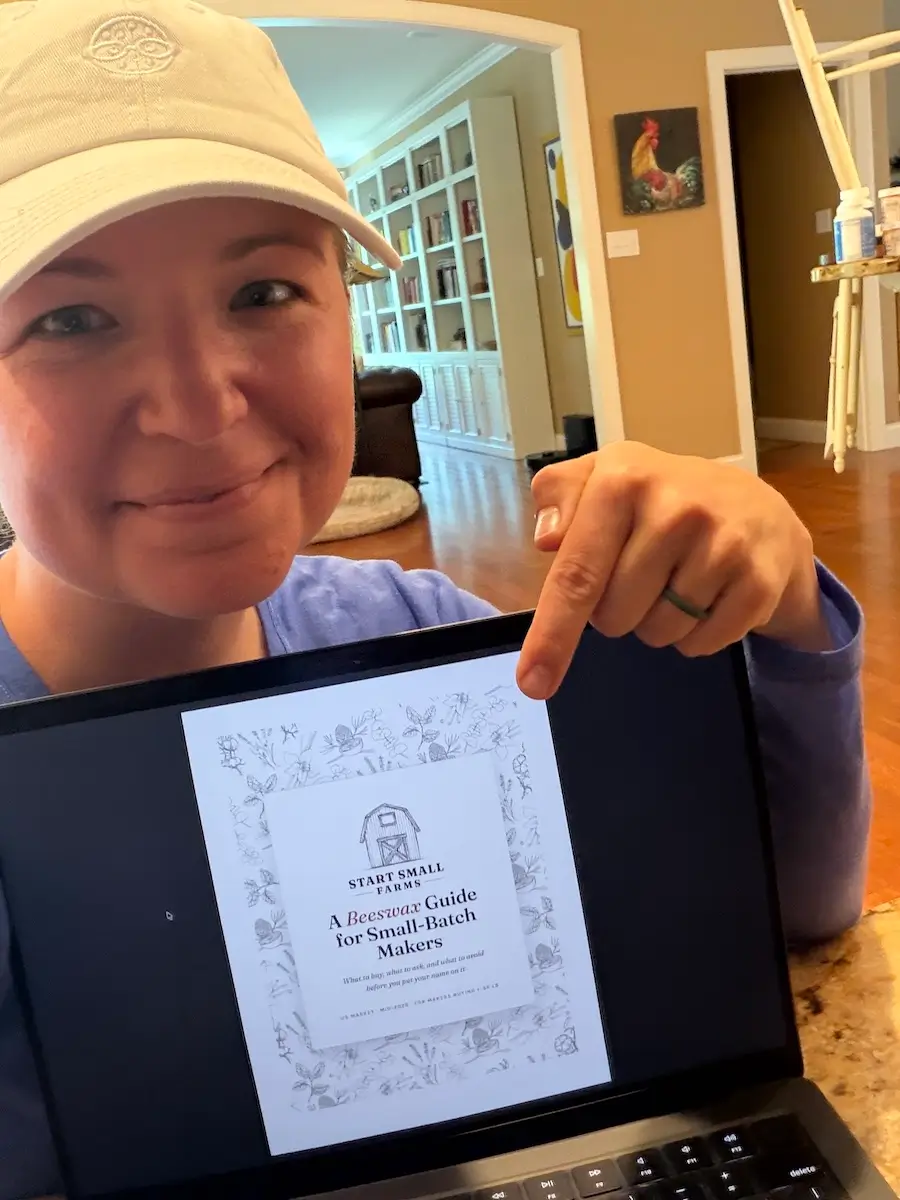
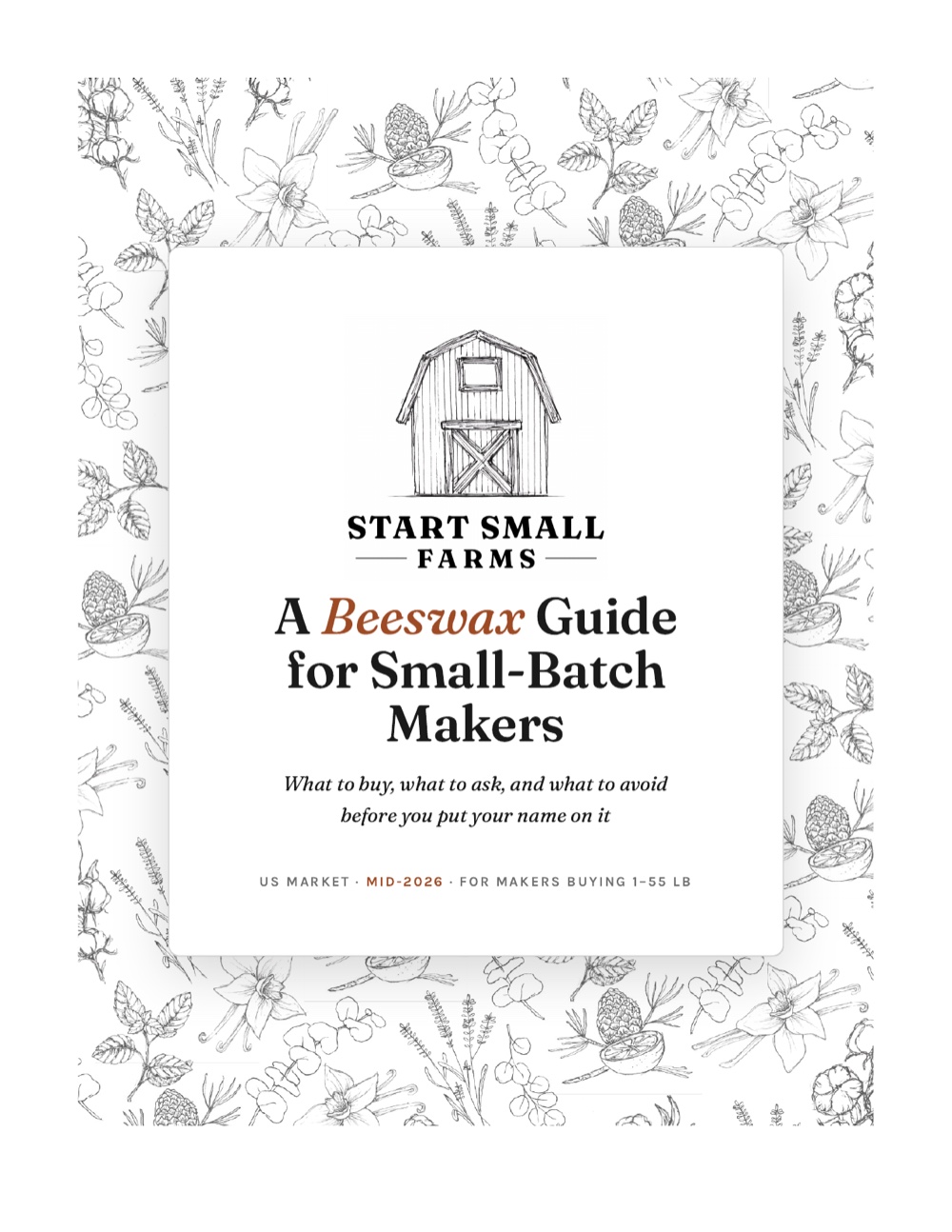
Once I’d read everything, it seemed silly to keep it in my own head. So I cleaned up my notes into a proper guide for anyone else making small batches: what beeswax actually costs right now, where to buy it, how to spot the adulterated stuff, what to ask a supplier before you order, and where the line is between a cosmetic and a drug (that one surprised me).
It’s free. Take it.
If you make things too, I’d love to know what rabbit hole you fell down that you didn’t see coming. I can’t be the only one who set out to buy one simple ingredient and came back with more questions than answers.
— Kim